The Science of Subtlety: How Advanced Dermatologic Techniques Are Reshaping Aesthetic Outcomes
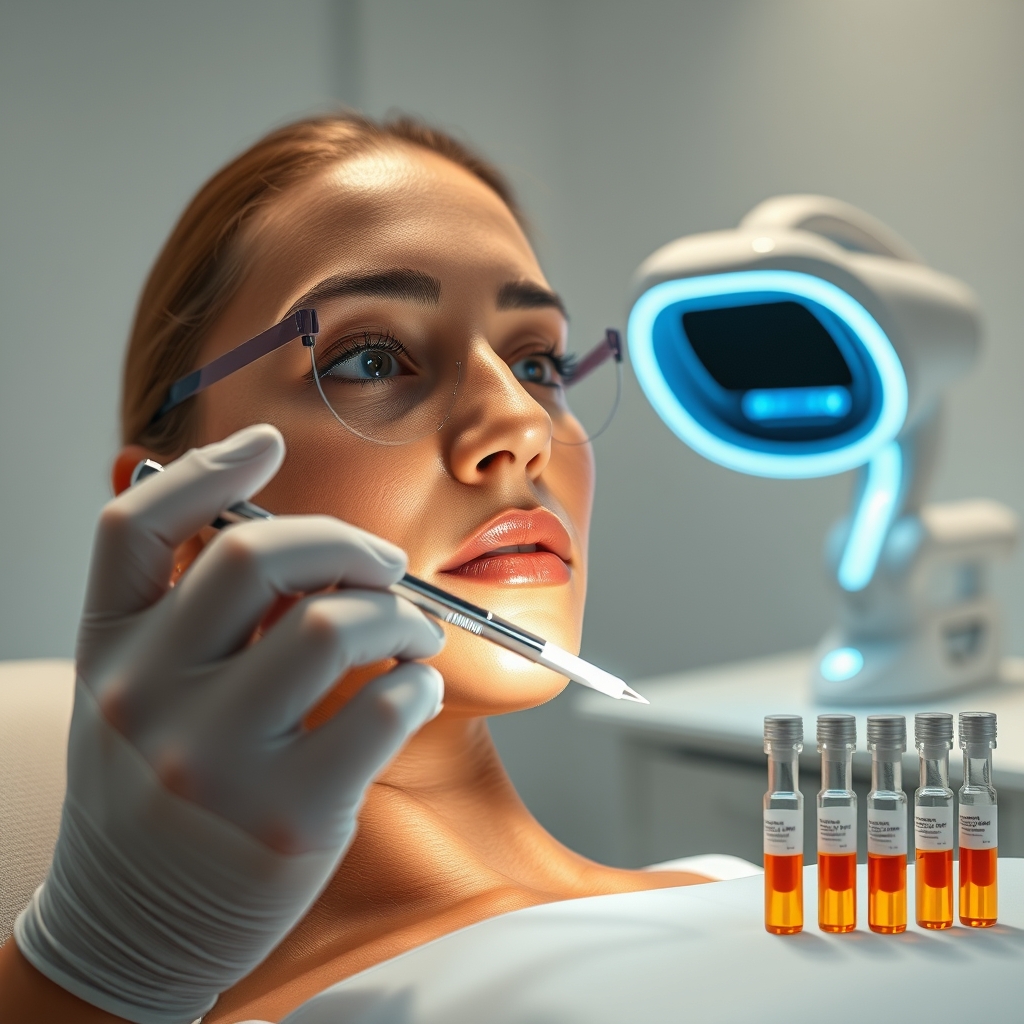
The pursuit of aesthetic refinement has long been plagued by a paradox: the desire for transformation without the telltale signs of intervention. Traditional procedures, while effective, often left behind scars, prolonged recovery periods, and results that screamed of artificial enhancement. Today, however, the landscape of dermatologic and cosmetic surgery is undergoing a quiet revolution—one defined by precision, minimal disruption, and outcomes that prioritize naturalism over dramatic alteration. The shift is not merely technological but philosophical, demanding a reevaluation of what it means to age gracefully in an era where science can outpace biology.
The Rise of Minimally Invasive Mastery
At the forefront of this transformation is the minimally invasive facelift, a procedure that has redefined facial rejuvenation by eschewing the extensive incisions and tissue manipulation of its predecessors. Unlike the traditional facelift, which often resulted in a “pulled” appearance, modern techniques leverage strategic incisions hidden within the hairline or natural facial creases. Endoscopic tools allow surgeons to lift and reposition underlying tissues with remarkable accuracy, while dissolvable sutures and advanced closure methods minimize scarring. The result is a face that appears rested and refreshed, not surgically altered—a distinction that has made this approach the gold standard for those seeking subtle yet impactful change.
Complementing these surgical advancements are non-surgical modalities that address specific concerns with equal finesse. Non-surgical rhinoplasty, for instance, employs soft tissue fillers to reshape the nose without the downtime or risks associated with open surgery. The procedure is not a one-size-fits-all solution but a tailored intervention, where hyaluronic acid-based fillers are strategically injected to smooth dorsal humps, refine nasal tips, or correct asymmetries. The precision of these injections is critical; overcorrection can lead to an unnatural appearance, while undercorrection may fail to meet patient expectations. It is a delicate balance, one that underscores the importance of practitioner expertise in achieving outcomes that are both aesthetically pleasing and harmonious with the patient’s existing features.
The Laser Revolution: Beyond Surface-Level Solutions
Laser technology has emerged as a cornerstone of modern dermatologic practice, offering solutions that range from skin resurfacing to vascular treatment. Fractional laser therapy, in particular, has revolutionized the approach to skin rejuvenation by creating microscopic treatment zones that stimulate collagen production while leaving surrounding tissue intact. This method accelerates healing and reduces downtime, making it an attractive option for patients seeking to address fine lines, pigmentation, or acne scars without the prolonged recovery associated with ablative lasers. The efficacy of fractional lasers lies in their ability to deliver controlled thermal injury, prompting the skin’s natural repair mechanisms to generate new, healthier tissue.
For vascular concerns, laser vein treatment has supplanted older, more invasive methods like sclerotherapy for many patients. Targeted laser energy collapses unwanted veins without damaging the surrounding skin, offering a non-invasive alternative that requires no incisions or injections. The precision of laser vein treatment is particularly advantageous for delicate areas like the face, where traditional sclerotherapy might pose risks of pigmentation or scarring. However, the technology is not without limitations; deeper or larger veins may still require conventional approaches, highlighting the need for a nuanced, case-by-case evaluation.
The Role of Regenerative Medicine in Aesthetic Enhancement
Regenerative techniques like platelet-rich plasma (PRP) therapy and radiofrequency microneedling are pushing the boundaries of what non-surgical interventions can achieve. PRP, derived from the patient’s own blood, harnesses growth factors to stimulate collagen production and accelerate tissue repair. When combined with microneedling—a process that creates controlled micro-injuries in the skin—PRP can enhance the treatment’s efficacy, leading to improved skin texture, tone, and elasticity. The appeal of PRP lies in its autologous nature, minimizing the risk of allergic reactions or rejection while offering a natural pathway to rejuvenation.
Radiofrequency microneedling takes this concept further by delivering thermal energy deep into the dermis, triggering a more robust collagen remodeling response. Unlike traditional microneedling, which relies solely on mechanical injury, radiofrequency microneedling combines the benefits of both techniques, making it particularly effective for treating deeper wrinkles, acne scars, and skin laxity. The procedure’s versatility has made it a favorite among practitioners and patients alike, though its success hinges on proper technique and patient selection. Overaggressive treatment can lead to complications like burns or hyperpigmentation, underscoring the importance of a conservative, patient-centered approach.
The Precision of Mohs Surgery and Micrographic Techniques
While much of the conversation around aesthetic dermatology focuses on enhancement, the field also plays a critical role in the treatment of skin cancer. Mohs surgery, a micrographic technique, exemplifies the intersection of precision and preservation. By removing cancerous tissue layer by layer and examining each under a microscope, Mohs surgeons can achieve clear margins while sparing healthy tissue. The procedure’s high cure rates and tissue-sparing benefits make it the preferred method for treating basal cell and squamous cell carcinomas in cosmetically sensitive areas like the face. The challenge lies in the meticulous nature of the technique, which demands not only surgical skill but also a deep understanding of dermatopathology.
For patients requiring more extensive reconstruction, techniques like skin grafting and tissue expansion offer solutions that prioritize both function and aesthetics. Skin grafting, once a last resort for large defects, has evolved with the advent of advanced wound care and graft stabilization methods. Meanwhile, tissue expansion—a process that gradually stretches healthy skin to cover defects—has become a valuable tool in reconstructive surgery, particularly for patients with traumatic injuries or congenital anomalies. These techniques are not merely about closing wounds but restoring form and function in a way that aligns with the patient’s natural anatomy.
The Future of Aesthetic Dermatology: A Balancing Act
The rapid advancement of dermatologic techniques has democratized access to aesthetic enhancement, but it has also introduced new challenges. The proliferation of non-surgical options, while empowering, has led to a saturation of the market, with varying degrees of practitioner expertise and ethical standards. The line between enhancement and overcorrection is thin, and the pressure to achieve perfection can sometimes overshadow the importance of natural, individualized outcomes. As technology continues to evolve, the field must grapple with questions of accessibility, regulation, and the ethical implications of pushing the boundaries of human appearance.
The most successful practitioners are those who approach aesthetic dermatology as both an art and a science. They understand that the goal is not to erase the passage of time but to enhance the features that make each patient unique. Whether through a minimally invasive facelift, a targeted laser treatment, or a regenerative therapy, the focus must remain on subtlety, precision, and the preservation of natural beauty. In an era where science can achieve near-miraculous results, the true measure of success lies in outcomes that are as undetectable as they are transformative—where the only thing that stands out is the confidence of the patient, not the intervention itself.