Beyond the Scalpel: How Modern Dermatologic Techniques Are Redefining Facial Rejuvenation
The pursuit of youthful vitality has long driven innovation in dermatology and aesthetic medicine, but the methods have undergone a radical transformation. Where invasive surgeries once dominated, a new paradigm has emerged—one defined by precision, minimal downtime, and natural-looking results. The shift is not merely technological but philosophical: patients no longer accept the trade-off between dramatic outcomes and prolonged recovery. Instead, they demand procedures that align with their lifestyles, offering subtle enhancements without the telltale signs of intervention. This evolution has given rise to techniques that blur the line between medical necessity and cosmetic desire, challenging traditional notions of what it means to age gracefully.
The Decline of the Traditional Facelift
The conventional facelift, once the gold standard for facial rejuvenation, is increasingly viewed as a relic of a bygone era. Its limitations are well-documented: extensive scarring, prolonged swelling, and an unnatural tightness that often betrayed the very improvements it sought to achieve. While effective for advanced sagging and volume loss, the procedure’s invasiveness has led many to seek alternatives that deliver comparable results with fewer risks. Enter the minimally invasive facelift, a category encompassing techniques like the endoscopic brow lift and thread lifts, which rely on small incisions and strategic suspension rather than extensive tissue manipulation. These methods prioritize preservation of facial structure, avoiding the over-pulled appearance that plagued earlier iterations of surgical rejuvenation.
Yet, the decline of the traditional facelift is not solely a matter of patient preference. Advances in soft tissue fillers and platelet-rich plasma (PRP) therapies have redefined what is possible without a scalpel. Fillers, particularly those based on hyaluronic acid, can restore volume to hollowed cheeks and temples with a precision that surgery cannot match. Meanwhile, PRP—derived from the patient’s own blood—harnesses growth factors to stimulate collagen production, offering a regenerative approach that complements or even replaces surgical lifting. The result is a more nuanced form of rejuvenation, one that respects the natural contours of the face rather than imposing an artificial template.
The Rise of Energy-Based Skin Remodeling
If fillers and PRP address volume loss, energy-based devices tackle the skin’s texture and tone with equal finesse. Laser skin resurfacing and radiofrequency microneedling have become cornerstones of modern dermatologic practice, offering solutions for everything from fine lines to deep wrinkles and acne scars. The appeal lies in their ability to trigger the body’s own healing mechanisms, prompting collagen remodeling without the need for excision or abrasion. Fractional lasers, in particular, have revolutionized the field by delivering controlled thermal injury to the skin, leaving surrounding tissue intact to accelerate recovery. Patients can now achieve results once reserved for ablative treatments—such as carbon dioxide laser resurfacing—with minimal downtime and discomfort.
Radiofrequency microneedling takes this concept further by combining the precision of microneedles with the deep heating effects of radiofrequency energy. The synergy between mechanical and thermal stimulation enhances collagen production while tightening lax skin, making it a versatile tool for addressing both superficial and structural concerns. Unlike traditional dermabrasion, which relies on physical exfoliation and carries risks of scarring and pigmentation changes, these energy-based modalities offer a safer, more predictable alternative. The shift is emblematic of a broader trend in dermatology: the move from destructive to constructive interventions, where the goal is not merely to remove but to rebuild.
The Non-Surgical Nose: A Case Study in Precision
Few procedures illustrate the potential of minimally invasive techniques better than non-surgical rhinoplasty. Once, reshaping the nose required open or closed surgery, with all the attendant risks of anesthesia, infection, and prolonged recovery. Today, a combination of hyaluronic acid fillers and advanced injection techniques can correct asymmetries, smooth dorsal humps, and refine nasal tips in a matter of minutes. The results are temporary—lasting anywhere from 6 to 18 months—but the immediacy and lack of downtime have made it a popular choice for those unwilling or unable to undergo surgery.
The success of non-surgical rhinoplasty hinges on two factors: the skill of the injector and the quality of the filler. Unlike surgical rhinoplasty, which relies on structural changes to bone and cartilage, the non-surgical approach depends on the strategic placement of filler to create the illusion of a reshaped nose. This requires a deep understanding of facial anatomy and an artistic eye, as even minor misplacements can lead to unnatural results. When executed correctly, however, the procedure offers a level of precision that surgery cannot always match, particularly for subtle refinements. It also serves as a testament to how far injectable technologies have come, transforming what was once a purely surgical domain into one accessible to a broader range of patients.
The Role of Surgery in an Era of Minimalism
Despite the rise of non-surgical alternatives, surgery remains an indispensable tool in the dermatologist’s arsenal, particularly for conditions that demand structural correction. Mohs surgery, for instance, has become the standard of care for skin cancer removal, combining microscopic precision with immediate reconstruction to minimize tissue loss. Similarly, blepharoplasty—the surgical correction of drooping eyelids—remains one of the most effective procedures for restoring a youthful, alert appearance. The key difference today is that these surgeries are often performed in conjunction with non-invasive techniques, creating a hybrid approach that maximizes results while minimizing trauma.
Even in cases where surgery is unavoidable, the principles of minimalism apply. Endoscopic techniques allow surgeons to access and manipulate tissues through tiny incisions, reducing scarring and accelerating recovery. Tissue expansion, once a cumbersome process requiring multiple surgeries, can now be achieved with fewer procedures thanks to advances in implantable devices. These innovations reflect a broader shift in surgical philosophy: the goal is no longer to remove or reshape as much as possible but to achieve the desired outcome with the least amount of intervention. This ethos extends beyond facial rejuvenation to include procedures like sclerotherapy for varicose veins and laser vein treatment for spider veins, where minimally invasive techniques have largely replaced more aggressive surgical options.
The Future of Aesthetic Dermatology: Personalization and Integration
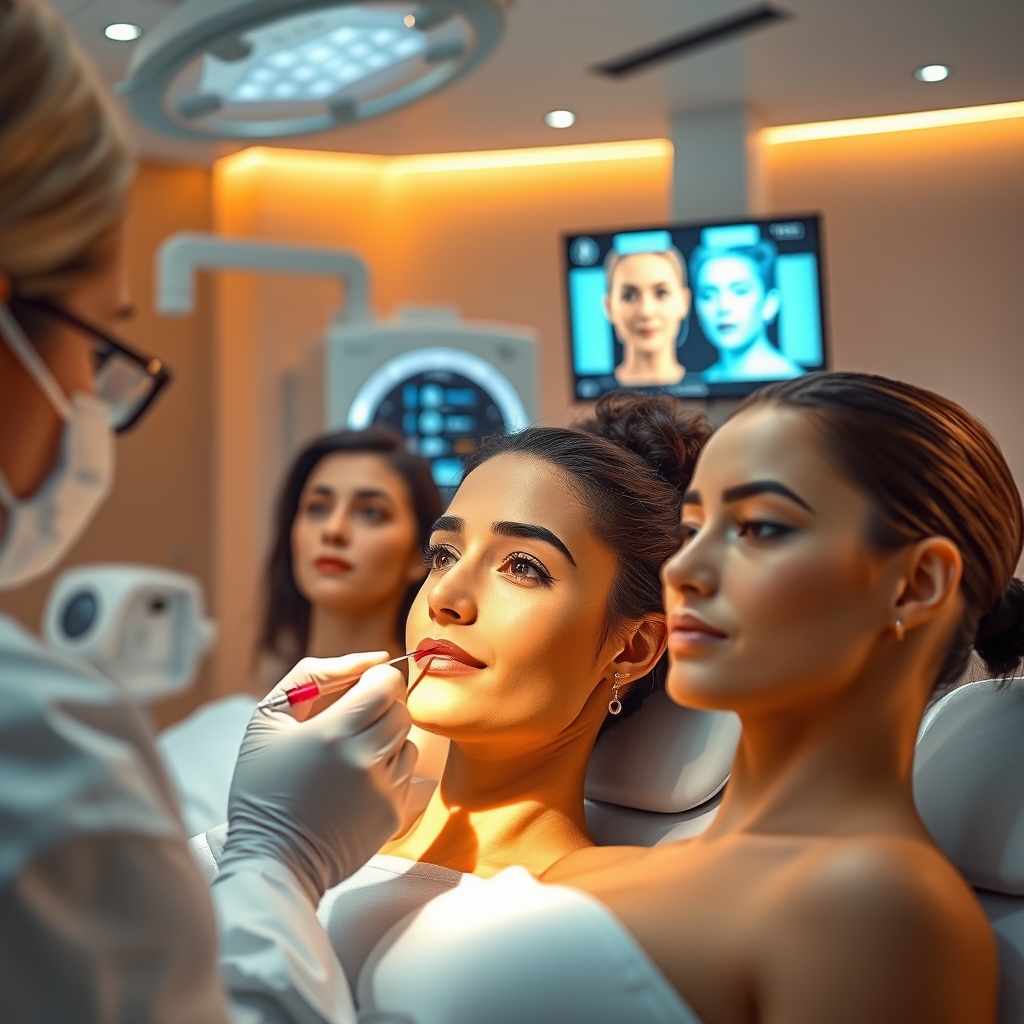
The next frontier in dermatologic rejuvenation lies in personalization—tailoring treatments to the unique needs of each patient rather than adhering to a one-size-fits-all approach. Advances in imaging technology, such as 3D facial mapping, allow practitioners to simulate outcomes before a single injection or incision is made. This not only enhances patient satisfaction but also reduces the risk of overcorrection, a common pitfall in aesthetic medicine. Meanwhile, the integration of regenerative therapies, such as stem cell-based treatments and exosome therapy, promises to push the boundaries of what is possible, offering solutions that go beyond temporary fixes to deliver lasting, natural-looking results.
The tools at our disposal today would have been unimaginable a generation ago, yet their true power lies not in their novelty but in their ability to restore confidence without erasing identity. The best procedures are those that enhance rather than alter, that respect the individuality of each face rather than imposing a standardized ideal. As techniques continue to evolve, the challenge will be to maintain this balance—to harness innovation without losing sight of the human element at the heart of aesthetic medicine. The scalpel may no longer be the first tool of choice, but the artistry it once demanded remains as essential as ever.