
DIY Skincare: Safe and Effective Recipes for Homemade Face Masks
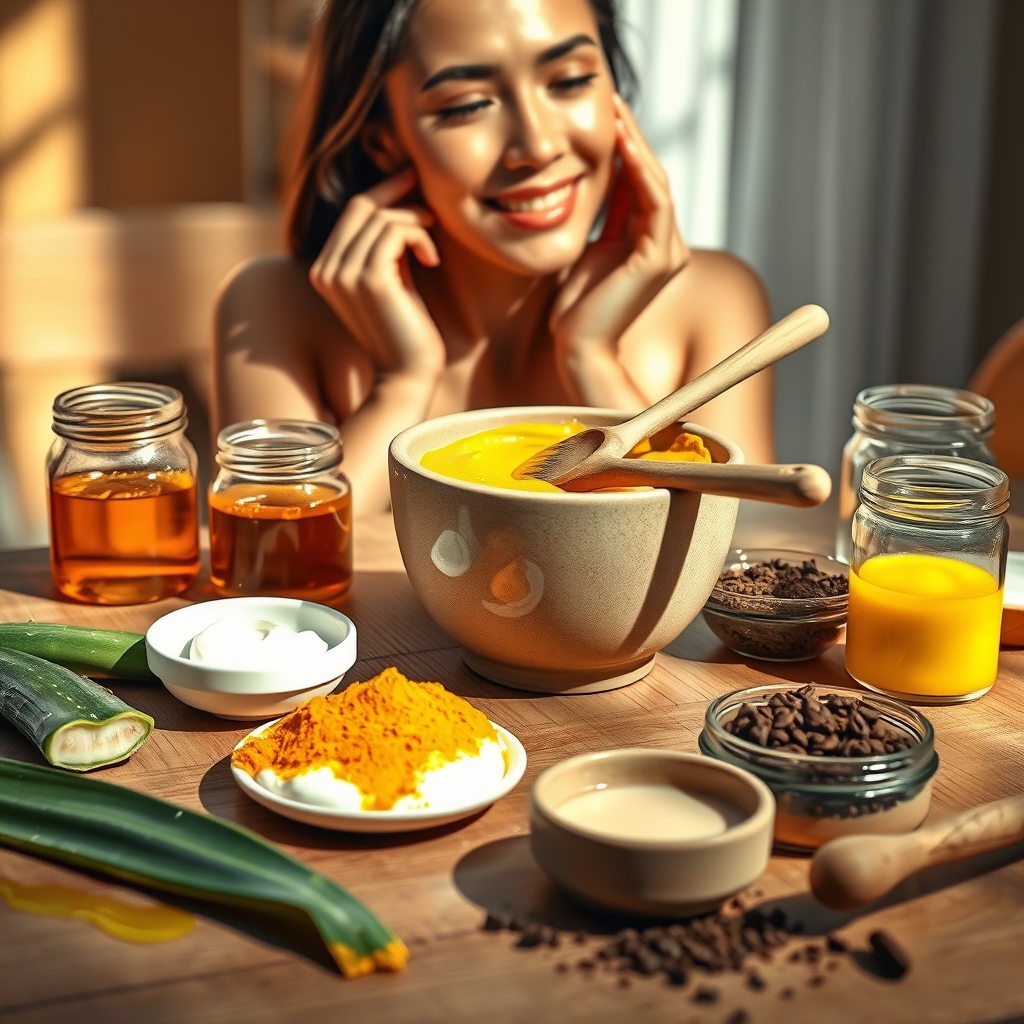
Taking care of your skin doesn’t have to involve expensive products or complicated routines. With a few simple ingredients from your kitchen, you can create nourishing, effective face masks tailored to your skin’s needs. Homemade face masks offer a natural alternative to commercial products, often free from harsh chemicals and preservatives. However, it’s essential to understand the benefits of each ingredient and how to use them safely to achieve the best results.
The Benefits of DIY Face Masks
DIY face masks provide a range of benefits, from hydration and exfoliation to soothing irritation and reducing inflammation. Unlike store-bought masks, homemade versions allow you to control what goes onto your skin, ensuring you avoid potential irritants or allergens. Many kitchen ingredients are packed with vitamins, antioxidants, and antibacterial properties that can enhance your skin’s health. For example, honey is a natural humectant, drawing moisture into the skin, while yogurt contains lactic acid, which gently exfoliates and brightens.
Another advantage of DIY skincare is cost-effectiveness. High-quality skincare products can be expensive, but many of the ingredients used in homemade masks are affordable and multipurpose. You likely already have some of them in your pantry, making it easy to whip up a mask whenever your skin needs a little extra care.
Safety Tips for Homemade Face Masks
While DIY face masks are generally safe, it’s crucial to follow a few guidelines to avoid irritation or adverse reactions. First, always perform a patch test before applying a new mask to your face. Apply a small amount of the mixture to your inner arm or behind your ear and wait 24 hours to check for any redness, itching, or swelling. If your skin reacts negatively, avoid using that ingredient.
Second, be mindful of ingredient combinations. Some ingredients, like lemon juice or baking soda, can be too harsh for sensitive skin or may cause irritation when mixed with other active ingredients. Stick to gentle, well-tolerated ingredients like honey, oatmeal, or aloe vera if you have sensitive skin. Additionally, avoid using ingredients you’re allergic to, even if they’re touted as beneficial for skin.
Finally, don’t overuse face masks. While it might be tempting to apply them daily, most masks are designed for weekly or bi-weekly use. Over-exfoliating or over-moisturizing can disrupt your skin’s natural barrier, leading to dryness, irritation, or breakouts. Listen to your skin and adjust your routine as needed.
Easy and Effective DIY Face Mask Recipes
Hydrating Honey and Yogurt Mask
This mask is perfect for dry or dull skin, providing deep hydration and a natural glow. Honey is a natural humectant, meaning it draws moisture into the skin, while yogurt contains lactic acid, which gently exfoliates and brightens.
Ingredients:
- 1 tablespoon raw honey
- 1 tablespoon plain yogurt (Greek or regular)
Instructions:
- Mix the honey and yogurt in a small bowl until well combined.
- Apply the mixture to clean, dry skin, avoiding the eye area.
- Leave the mask on for 10-15 minutes.
- Rinse off with lukewarm water and pat your skin dry.
- Follow up with your regular moisturizer.
How Often to Use: Once or twice a week.
Brightening Turmeric and Oatmeal Mask
Turmeric is known for its anti-inflammatory and brightening properties, making it an excellent ingredient for reducing dark spots and evening out skin tone. Oatmeal soothes irritation and provides gentle exfoliation, making this mask ideal for sensitive or acne-prone skin.
Ingredients:
- 1 teaspoon turmeric powder
- 1 tablespoon finely ground oatmeal
- 1 tablespoon honey or plain yogurt (to bind the mixture)
Instructions:
- Mix the turmeric, oatmeal, and honey or yogurt in a bowl until you form a paste.
- Apply the mixture to your face, avoiding the eye area.
- Leave the mask on for 10-15 minutes.
- Gently massage your skin in circular motions to exfoliate before rinsing off with lukewarm water.
- Pat your skin dry and apply moisturizer.
How Often to Use: Once a week. Note that turmeric can stain light-colored towels or clothing, so be cautious when applying and rinsing.
Soothing Aloe Vera and Cucumber Mask
Aloe vera and cucumber are both known for their soothing and cooling properties, making this mask perfect for irritated, sunburned, or inflamed skin. Aloe vera also provides hydration, while cucumber helps reduce puffiness and refreshes the skin.
Ingredients:
- 2 tablespoons fresh aloe vera gel (from the plant or store-bought)
- 2 tablespoons cucumber juice or finely grated cucumber
Instructions:
- Blend or mix the aloe vera gel and cucumber until smooth.
- Apply the mixture to your face and neck, avoiding the eye area.
- Leave the mask on for 15-20 minutes.
- Rinse off with cool water and pat your skin dry.
- Follow up with a lightweight moisturizer if needed.
How Often to Use: Two to three times a week, especially after sun exposure or when your skin feels irritated.
Exfoliating Coffee and Coconut Oil Mask
Coffee grounds provide gentle exfoliation, helping to remove dead skin cells and improve circulation, while coconut oil moisturizes and nourishes the skin. This mask is great for dull or rough skin, leaving it soft and smooth.
Ingredients:
- 1 tablespoon used coffee grounds (cooled)
- 1 tablespoon coconut oil (melted if solid)
Instructions:
- Mix the coffee grounds and coconut oil in a bowl until well combined.
- Apply the mixture to your face, gently massaging in circular motions for 1-2 minutes.
- Leave the mask on for an additional 5-10 minutes.
- Rinse off with lukewarm water and pat your skin dry.
- Follow up with your regular skincare routine.
How Often to Use: Once a week. Avoid using this mask if you have active breakouts, as the coffee grounds may irritate inflamed skin.
Creating your own face masks at home is a rewarding way to care for your skin while embracing natural, wholesome ingredients. Whether you’re looking to hydrate, brighten, soothe, or exfoliate, there’s a DIY recipe to suit your needs. The key is to listen to your skin, experiment with different ingredients, and enjoy the process of nurturing yourself from the outside in. With a little creativity and consistency, you’ll soon discover the joy of glowing, healthy skin—no fancy products required.