Bakuchiol vs. Retinol: A Gentle Yet Effective Anti-Aging Alternative
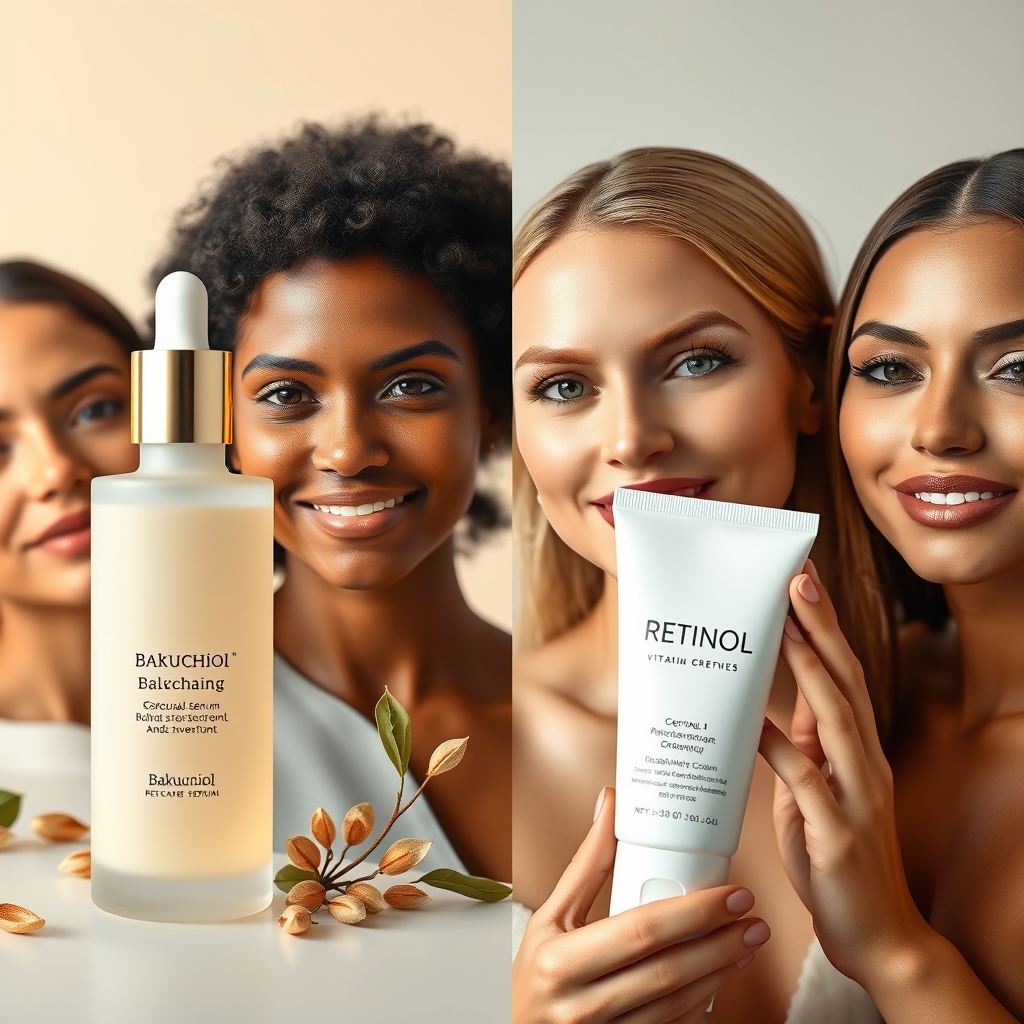
The quest for youthful, radiant skin has led many to explore a variety of anti-aging ingredients, with retinol standing as the gold standard for decades. However, its potent effects often come with a trade-off—irritation, redness, and sensitivity, particularly for those with delicate or reactive skin. Enter bakuchiol, a plant-derived compound that has been making waves as a gentler yet equally effective alternative. But how does it truly compare to retinol in terms of efficacy, side effects, and suitability for different skin types? Let’s dive into the science, user experiences, and practical applications to uncover the truth.
The Science Behind Bakuchiol and Retinol
Retinol, a derivative of vitamin A, has long been celebrated for its ability to stimulate collagen production, accelerate cell turnover, and reduce the appearance of fine lines and wrinkles. Its efficacy is backed by decades of clinical research, making it a staple in dermatologist-recommended skincare routines. However, retinol’s strength is also its weakness—it can cause significant irritation, dryness, and peeling, especially during the initial adjustment period. This has led many to seek alternatives that deliver similar benefits without the harsh side effects.
Bakuchiol, on the other hand, is a natural compound extracted from the seeds and leaves of the Psoralea corylifolia plant, also known as the babchi plant. Unlike retinol, bakuchiol does not belong to the vitamin A family, yet it mimics many of its anti-aging properties. Studies suggest that bakuchiol can stimulate collagen synthesis, improve skin elasticity, and reduce hyperpigmentation, all while being far gentler on the skin. A 2018 study published in the British Journal of Dermatology found that bakuchiol was comparable to retinol in reducing wrinkles and pigmentation, with participants reporting significantly less irritation.
Efficacy: Can Bakuchiol Really Compete with Retinol?
When it comes to efficacy, retinol remains the undisputed champion for those who can tolerate its side effects. Its ability to penetrate deep into the skin and promote cellular renewal is unmatched, making it highly effective for treating advanced signs of aging, acne, and uneven skin tone. However, bakuchiol is not far behind. The same 2018 study revealed that after 12 weeks of use, bakuchiol produced similar improvements in photoaging as retinol, including reductions in wrinkle surface area and hyperpigmentation. What’s more, bakuchiol’s antioxidant properties provide an added layer of protection against environmental damage, something retinol does not offer.
For those with sensitive skin or conditions like rosacea and eczema, bakuchiol presents a compelling case. Its anti-inflammatory properties help soothe irritation while still delivering anti-aging benefits. Additionally, bakuchiol is stable in sunlight, meaning it can be used both day and night without losing efficacy—a stark contrast to retinol, which degrades when exposed to UV rays and must be applied exclusively at night.
User Testimonials: Real Experiences with Bakuchiol and Retinol
While clinical studies provide valuable insights, real-world experiences often paint a more nuanced picture. Many users who have struggled with retinol’s side effects report a seamless transition to bakuchiol. Sarah, a 34-year-old with dry, sensitive skin, shared, “I tried retinol for years but could never get past the redness and flaking. Bakuchiol gave me the same results—fewer fine lines, brighter skin—without the irritation. It’s now a non-negotiable in my routine.”
Conversely, some users find retinol’s results more dramatic, particularly for deep wrinkles and acne scars. James, a 45-year-old with oily skin, noted, “Retinol transformed my skin in ways bakuchiol hasn’t. I see a noticeable difference in texture and pore size, but I have to buffer it with moisturizer to avoid irritation.”
These testimonials highlight an important truth: skincare is not one-size-fits-all. While bakuchiol may be the ideal choice for those prioritizing gentleness, retinol remains the go-to for those seeking maximum results and can tolerate its side effects.
Side Effects: The Gentle Power of Bakuchiol
One of the most significant advantages of bakuchiol is its minimal side effect profile. Retinol’s common issues—redness, peeling, dryness, and increased sun sensitivity—are virtually nonexistent with bakuchiol. This makes it an excellent option for pregnant or breastfeeding individuals, who are often advised to avoid retinol due to potential risks. Bakuchiol’s lack of photosensitivity also means it can be incorporated into daytime routines without concern, though sunscreen is always recommended.
That said, no ingredient is entirely without risk. While rare, some users may experience mild irritation or allergic reactions to bakuchiol, particularly if they have sensitivities to plant-based compounds. Patch testing is always advisable before introducing any new product into your routine.
Suitability for Different Skin Types
Understanding which ingredient aligns with your skin type can help you make an informed decision:
Dry or Sensitive Skin
Bakuchiol is the clear winner here. Its hydrating and soothing properties make it ideal for those prone to irritation or conditions like rosacea. Retinol, even in low concentrations, can exacerbate dryness and redness, making it a less suitable option.
Oily or Acne-Prone Skin
Retinol’s ability to regulate sebum production and unclog pores makes it a favorite for acne-prone individuals. However, bakuchiol’s anti-inflammatory and antibacterial properties can also benefit oily skin, particularly for those who cannot tolerate retinol’s drying effects. A combination of both ingredients may offer the best of both worlds for some users.
Mature Skin
For those with advanced signs of aging, retinol’s potency may deliver more dramatic results. However, bakuchiol’s collagen-boosting and antioxidant properties make it a strong contender, especially for those who prefer a gentler approach or have sensitive skin.
How to Incorporate Bakuchiol into Your Skincare Routine
If you’re ready to give bakuchiol a try, here’s a step-by-step guide to integrating it into your regimen for maximum anti-aging benefits:
Step 1: Start with a Clean Canvas
Begin with a gentle cleanser to remove dirt, oil, and impurities. This ensures that bakuchiol can penetrate the skin effectively. Avoid harsh cleansers that strip the skin of its natural moisture barrier, as this can increase the risk of irritation.
Step 2: Apply Bakuchiol Serum or Cream
Bakuchiol is available in various formulations, including serums, creams, and oils. Serums are typically more concentrated and ideal for targeting specific concerns like fine lines and hyperpigmentation. Apply a few drops to your face and neck, gently patting it into the skin until fully absorbed. If using a cream or oil, follow the same method, ensuring even distribution.
Step 3: Layer with Hydration
While bakuchiol is hydrating on its own, layering it with a moisturizer can enhance its benefits, particularly for dry or mature skin. Look for products containing hyaluronic acid, ceramides, or peptides to lock in moisture and support skin repair.
Step 4: Don’t Forget Sunscreen (Daytime Only)
Although bakuchiol is not photosensitive, UV exposure can still accelerate aging and undermine your skincare efforts. Apply a broad-spectrum sunscreen with at least SPF 30 every morning to protect your skin and preserve your results.
Step 5: Introduce Gradually
Even though bakuchiol is gentle, it’s best to introduce it gradually to allow your skin to adjust. Start by using it every other night, then increase to nightly use as your skin builds tolerance. If you experience any irritation, scale back and give your skin time to recover.
Combining Bakuchiol with Other Ingredients
Bakuchiol plays well with most skincare ingredients, making it a versatile addition to your routine. It can be safely combined with:
- Vitamin C: Enhances antioxidant protection and brightening effects.
- Hyaluronic Acid: Boosts hydration and plumps the skin.
- Peptides: Supports collagen production and skin firmness.
- Niacinamide: Reduces redness and improves skin barrier function.
Avoid using bakuchiol with strong exfoliants like AHAs or BHAs in the same routine, as this may increase the risk of irritation. Instead, alternate their use on different days or apply them at different times (e.g., bakuchiol at night and exfoliants in the morning).
The beauty of skincare lies in its ability to adapt to our unique needs and preferences. While retinol has long been the cornerstone of anti-aging routines, bakuchiol offers a refreshing alternative for those seeking efficacy without compromise. Whether you’re drawn to its gentle nature, its suitability for all skin types, or its compatibility with daytime use, bakuchiol proves that powerful results don’t have to come at the cost of comfort. As with any skincare journey, the key is to listen to your skin, experiment thoughtfully, and embrace the process of discovering what works best for you. After all, the most radiant skin is not just about the products we use, but the confidence and joy they bring along the way.